Introduction
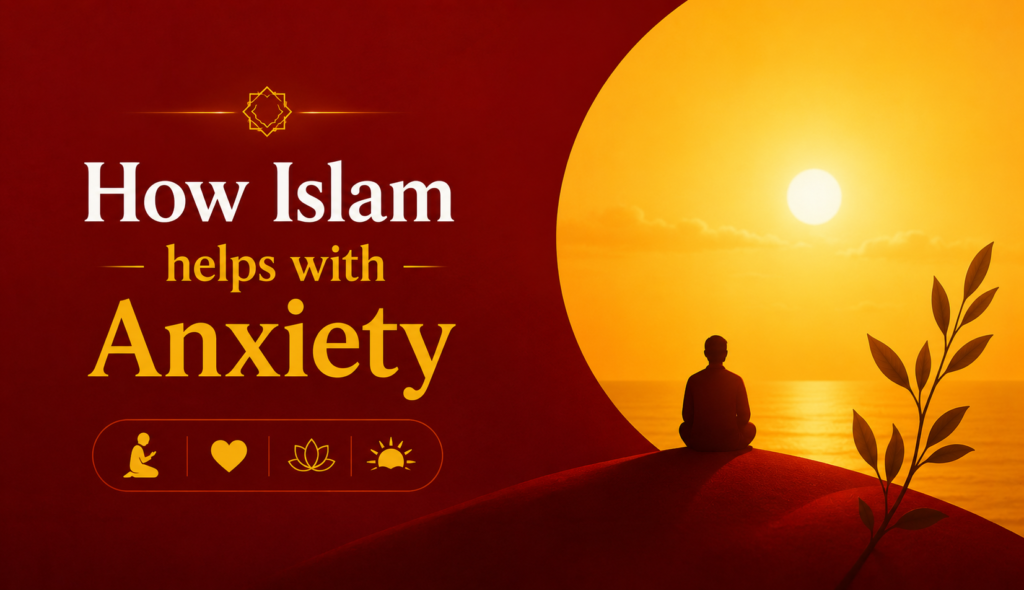
How Islam helps with anxiety and stress is an important topic for many Muslims today. Students, young people, and adults often face pressure from studies, work, relationships, and daily life challenges. Islam provides spiritual guidance, peace, and practical solutions that help believers manage stress and find comfort through faith in Allah.
Importance of Trusting Allah During Anxiety and Stress
One of the greatest sources of peace in Islam is trusting Allah (Tawakkul). A Muslim understands that every difficulty happens with Allah’s wisdom and that hardships are temporary.
Allah says in the Quran:
“Verily, in the remembrance of Allah do hearts find rest.”
(Surah Ar-Ra’d 13:28) Quran.com
This verse reminds believers that true peace comes from remembering Allah.

How Salah Helps with Anxiety and Stress
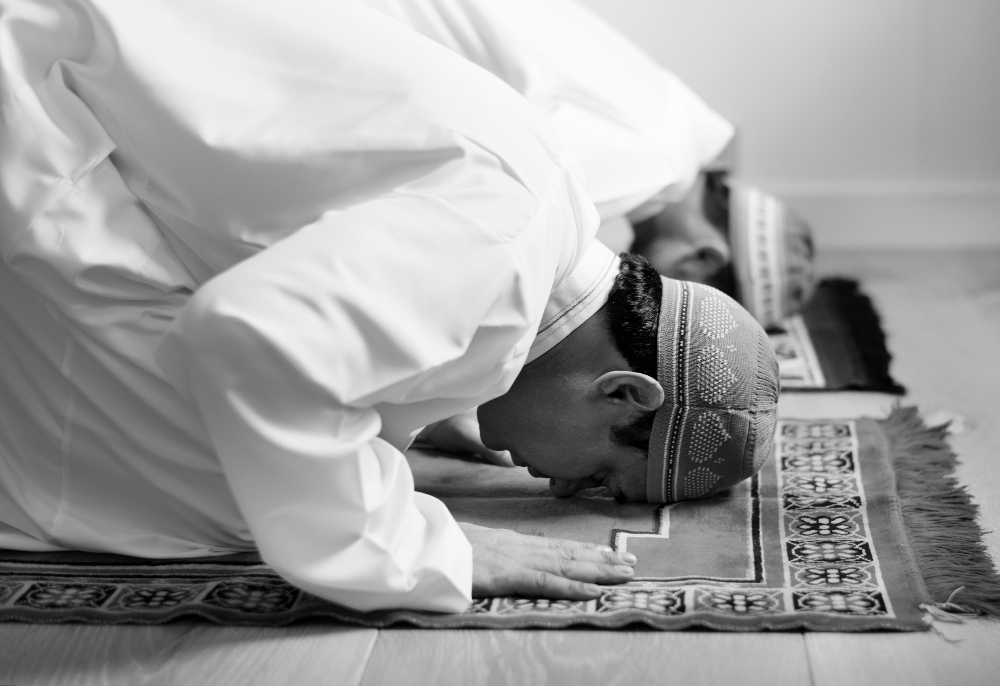
Salah is not only an obligation but also a source of emotional peace and spiritual strength. Prayer allows Muslims to pause from worldly stress and reconnect with Allah.
Benefits of Salah include:
- mental peace
- emotional stability
- reduced stress
- stronger faith
- better self-discipline
Many Muslims feel calmer after sincerely praying to Allah.
How Quran Recitation Helps Reduce Anxiety and Stress
Reading and listening to the Quran brings comfort to the heart. Quranic verses remind believers about hope, patience, mercy, and Allah’s support during difficult times.
Students and young Muslims can:
- read a few verses daily
- listen to Quran before sleeping
- reflect on Quranic meanings
- memorize short surahs for peace and motivation
Even a few minutes with the Quran can positively affect the mind and heart.
Importance of Dua During Stressful Times
Islam teaches Muslims to turn to Allah through dua in times of difficulty. Making dua strengthens hope and reminds believers that Allah listens to every prayer.
The Prophet Muhammad ﷺ regularly made dua during hardships and encouraged patience and trust in Allah.
How Islam Encourages Patience During Difficulties
Patience (Sabr) is one of the most important teachings in Islam. Life will always include tests, but Islam teaches believers to stay hopeful and patient.
Allah says:
“Indeed, Allah is with the patient.”
(Surah Al-Baqarah 2:153) – Quran.com
Patience helps Muslims remain emotionally strong during stressful situations.
Healthy Islamic Habits That Help Reduce Stress
Islam encourages a balanced lifestyle that supports mental and emotional well-being.
Helpful habits include:
- praying on time
- maintaining good sleep
- avoiding negative content
- spending time with family
- helping others
- staying grateful
These habits improve both spiritual and mental health.
Conclusion
Learning how Islam helps with anxiety and stress can help Muslims find peace, hope, and emotional strength. Through Salah, Quran, dua, patience, and trust in Allah, believers can manage life’s challenges in a healthier and more positive way.
Islam teaches that no difficulty lasts forever, and Allah’s mercy is always near.
You may also like: How to Manage Screen Time in Islam for Students